From 1976 to 2026, the Marche-based company celebrates half a century of advances in home security—from technology and research to new approaches to designing home entrances.
Every home begins at the threshold. Before the living room, the kitchen, or the furnishings, there is a door that shapes how we enter, what we leave outside, and how we present the space we call our own. This is the starting point for the story of Di.Bi. Porte Blindate, which is celebrating its fiftieth anniversary in 2026. Over its half century of operation, home security has evolved from being merely a technical concern to becoming an integral part of home design.
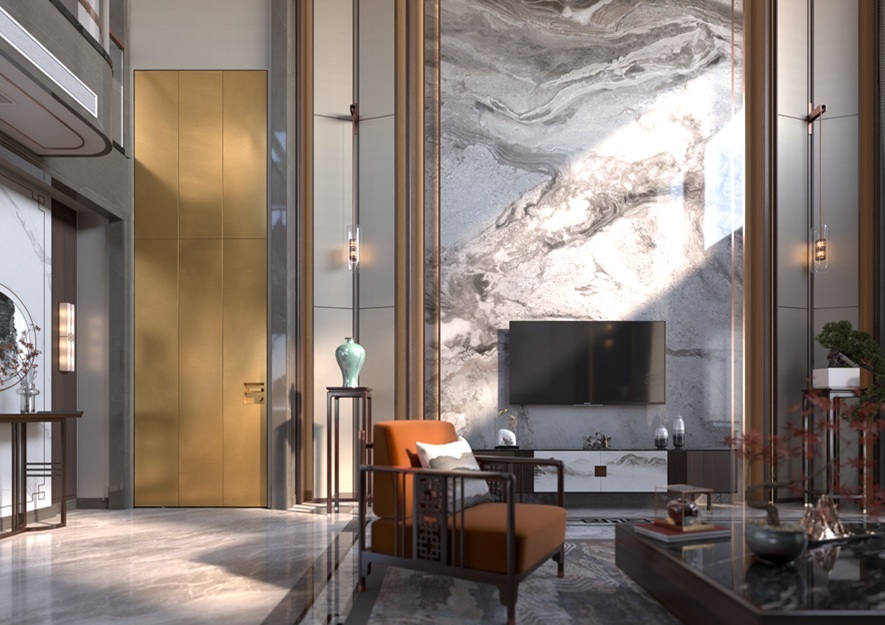
From 1976 to today
The story begins in the Marche region in 1976, in the metalworking industry. A year later, the company began producing steel subframes for doors and windows, while a decisive turning point came in 1983, when Michele Delvecchio created the first Di.Bi. security door. From that moment on, the company increasingly focused its research on residential security, anticipating some of the sector’s technological advances. In 1987, it introduced doors equipped with electronic and electromechanical locks.
The door becomes part of the interior
In the 1990s, Di.Bi. expanded its production facilities, developed patents, and broadened its product range. In 1993, the company introduced Briareo extendable grilles and, two years later, began producing its own finishing panels in-house.
This shift also changed the way the product was perceived. The security door was no longer simply about structure, performance, and the locking mechanism: its visible side began to embrace the language of interior design.
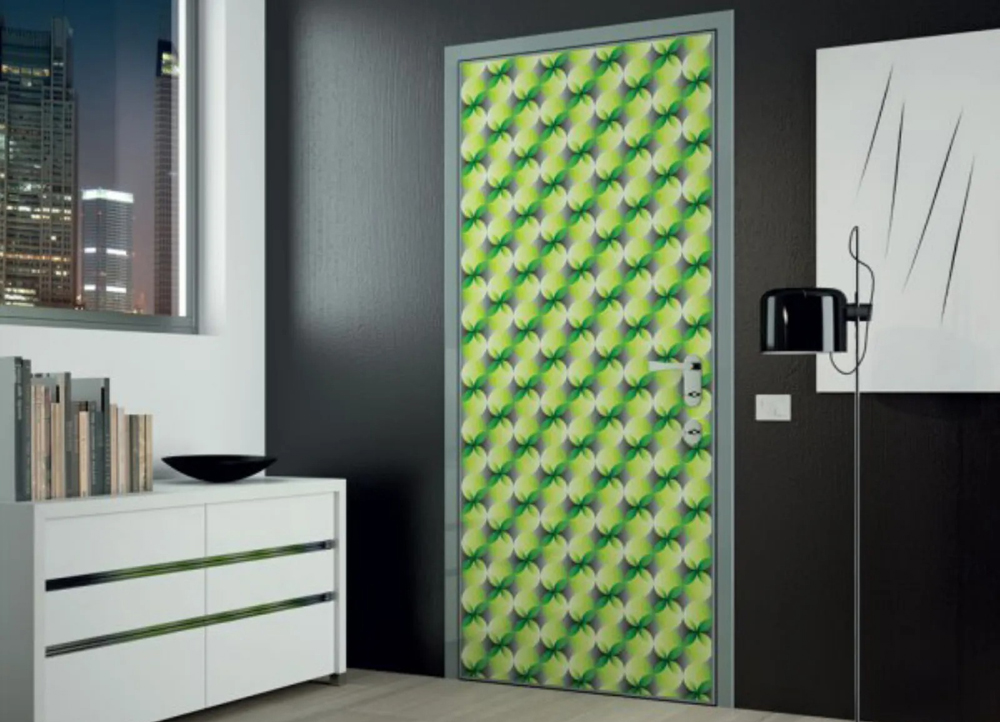
In the 2000s, this approach became even more explicit through collaborations with Momo Design and Karim Rashid, alongside artists Paolo Del Signore and Raffaele Gerardi. Colors, patterns, and finishes transformed the panel into a design surface capable of interacting with the materials and atmosphere of the home.
From Striking to Discreet Designs
Door styles evolved alongside architecture. Di.Big, introduced in 2016, addressed the demand for large entrances with a pivot security door designed for expansive openings and spaces where the threshold becomes a compositional element.
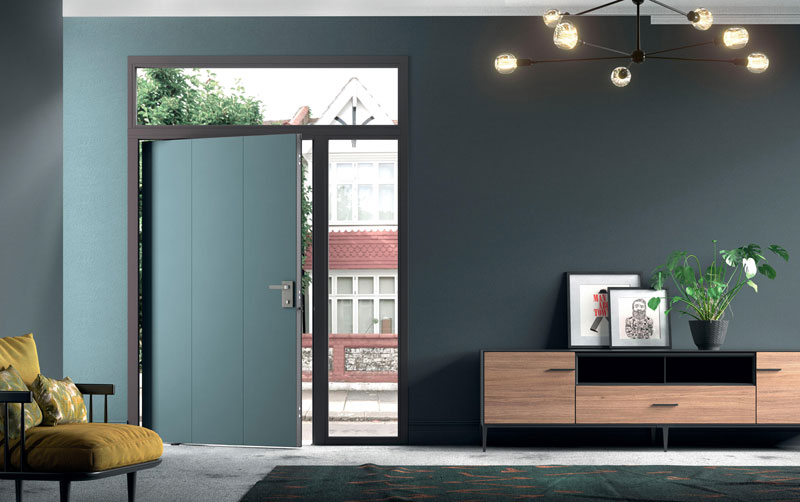
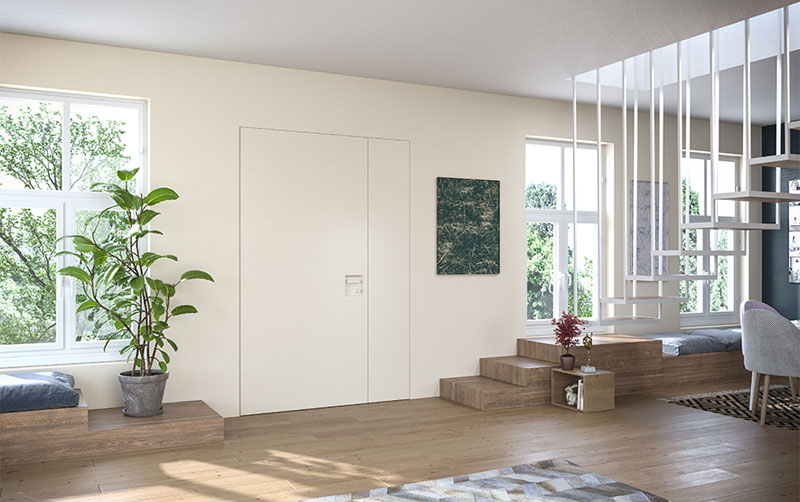
With Rasomuro, introduced in 2020, the approach was almost the opposite: the door sought continuity with the wall and integrated into minimalist interiors by reducing its visual presence. Two different solutions, united by the same idea: today, the door must adapt to the design of the home, not the other way around.
Fifty Years and Counting
In 2008, the arrival of the next generation ensured continuity in the company’s family ownership. Today, that journey continues with a focus on efficiency and sustainability, through local suppliers, a strong emphasis on the Marche-based supply chain, energy-saving measures at its facilities, and membership in the Fano Be Green energy community.
After fifty years, the security door remains first and foremost a means of protection. But it must also address comfort, technology, energy performance, customization, and aesthetic quality. Perhaps this is the most interesting part of Di.Bi. Porte Blindate’s history: transforming the home’s threshold from a technical element into an integral part of the architecture.